






How to evaluate durability and lifespan of remote controls?
How to evaluate durability and lifespan of remote controls?
When buying home theater remote controls (or remotes for commercial AV deployments), procurement teams should treat the device as a small, mission-critical piece of hardware. Reliability problems drive costly replacements and bad user experience. The checklist below answers the questions most buyers ask and explains the technical metrics, tests and contract requirements you should use to compare suppliers.
1. What are the key durability metrics to request from suppliers?
Ask vendors to provide measurable specs rather than marketing statements. The core metrics include:
- Button/actuator life (actuations): the number of keypress cycles each switch or keypad is rated for (e.g., 100k, 500k, 1M cycles).
- Ingress protection (IP) rating: dust/water resistance (e.g., IP54, IP65, IP67) to understand suitability for living rooms vs. poolside/outdoor use.
- Operating and storage temperature/humidity range: how the remote performs across expected climates (e.g., -20 °C to +60 °C).
- ESD immunity and susceptibility: pass/fail levels for contact/air discharge (measured to IEC/IEC‑61000‑4‑2 test levels).
- Drop and impact resistance: number/height of drops pass criteria and enclosure robustness (typical lab drop tests are done to known heights and onto concrete).
- Battery life under realistic use profiles (measured in months/years or hours of active use) and expected battery type (CR2032, AAA, rechargeable Li‑ion).
- MTTF or life projection: where available, a supplier’s measured mean time to failure or accelerated-life test results.
Require test reports (with test conditions) — not just pass/fail stamps — so you can compare devices on an apples-to-apples basis.
2. How important are materials and enclosure design?
Materials determine wear, aging, and susceptibility to chemicals and UV. Things to check:
- Housing material: ABS, PC, or PC/ABS blends are common for consumer remotes. Polycarbonate adds toughness for high-impact use cases.
- Button material and dome type: silicone rubber keypads are comfortable and can be sealed for higher IP ratings; mechanical or metal-dome switches provide distinct tactile life ratings.
- Coatings and finishes: abrasion- and UV-resistant coatings prevent paint/legends from rubbing off; confirm abrasion-cycle testing if appearance matters.
- Sealing strategy: gasketed battery doors, overmolded keypads, and internal seals can increase resistance to ingress and liquid spills.
For high-volume procurement, ask for physical samples to inspect feel, finish and weight — those factors correlate strongly with perceived quality and durability.
3. What do button life/cycle ratings mean and what numbers are typical?
Button life is given in actuation cycles (press/release). Typical ranges:
- Basic tactile switches: often rated 100k–500k actuations.
- High-end tactile or dome switches / sealed rubber keypads: 500k–1,000k (1 million) actuations or higher for some designs.
- Mechanical metal-dome or high-reliability switches: may exceed 1M cycles depending on the component.
When comparing specs, confirm whether the vendor measured life under real conditions (with dust, temperature cycling, or after chemical exposure) or only in ideal lab conditions — real-life durability is most often lower than bench-cycle numbers.
4. How do you evaluate environmental resistance (water, dust, temperature, ESD)?
Key tests and ratings to request:
- IP (Ingress Protection) rating: IP54 (splash/dust protected) is usually fine for indoor home theater use; IP65–IP67 gives protection against jets/temporary immersion for more rugged needs.
- Temperature and humidity: ask for operating/storage specs and any accelerated thermal cycle test reports (IEC 60068-type tests are common references).
- ESD testing: verify pass levels for IEC 61000-4-2 (both contact and air discharge). Remotes used near TVs, AV racks and metal cabinets should have solid ESD immunity.
- Salt spray / corrosion: for coastal deployments, corrosion-resistant finishes or plated contacts are necessary and should be validated in salt-spray tests.
Ask suppliers for test reports with test procedures and results (not just claims). If IP or environmental resistance is mission-critical, require third‑party test certification.
5. What to check about batteries and power systems?
Battery selection and power-management design strongly influence lifespan and field maintenance cost:
- Battery type and expected life: coin cells (e.g., CR2032) typically have low mAh capacities (CR2032 ≈ 200–240 mAh depending on manufacturer) and are sufficient for low‑power IR remotes; AAA/AA alkalines provide higher capacity for remotes with displays or RF modules.
- Active vs. standby consumption: request measured current draw (microamps in standby and mA during transmit). Battery life estimates should be based on realistic use cycles (transmit seconds/day, backlight time, RF pairing events).
- Rechargeable options: remotes with Li‑ion or integrated rechargeable packs change maintenance models; ensure proper charge‑cycle specs and protection circuitry.
- Battery compartment and contact durability: test for contact corrosion and secure fit over many replacements; poor contacts are a common field failure point.
Require sample battery-life graphs or test logs from the vendor made under your expected usage profile.
6. How do RF/IR components affect long-term reliability?
RF and IR subsystems are potential longevity and compliance risks:
- IR emitters and lensing: IR LEDs are robust but can degrade under thermal or chemical stress; optical alignment and lens quality affect long‑range performance.
- RF modules (Bluetooth, BLE, proprietary 2.4 GHz): ensure modules carry regulatory approvals (FCC/CE/other regional certifications) and that antenna design is tested for repeated insertion/removal of batteries and mechanical stress.
- Firmware updates and security: a well‑maintained firmware update path reduces obsolescence risk and helps mitigate RF-interoperability problems.
For networked remotes, require details on RF module supplier, declared regulatory approvals, and long-term firmware support policies.
7. Which industry standards and tests should be included in procurement specs?
Include both consumer and environmental standards in RFPs and tech specs:
- IEC 60529 (IP Code) for ingress protection requirements.
- IEC 60068 family for environmental tests (temperature, humidity, thermal shock, vibration) or equivalent supplier test reports.
- IEC 61000‑4‑2 for electrostatic discharge (ESD) immunity.
- Drop and mechanical shock testing (often referenced to MIL‑STD‑810 protocols for commercial equipment when ruggedness is required).
- Regulatory RF certifications (FCC Part 15, CE/RED) for wireless remotes.
Ask suppliers to attach laboratory test reports and, preferably, third‑party certifications for critical claims.
8. What contractual terms and supplier assurances reduce lifecycle risk?
Procurement should go beyond product spec and include supplier commitments:
- Warranty length and coverage details (what failures are covered, replacement lead times).
- Minimum order quantities and spares strategy — secure a spare‑parts run or life‑of‑product commitment for critical deployments.
- Acceptance testing: define incoming quality checks and sample-testing procedures at receipt (e.g., random sample drop, ingress checks).
- Firmware and security support windows: require an agreed support period for firmware/patches for networked remotes.
- Failure reporting and root-cause analysis (RMA process) and remedies (repair/replacement/credit) — include SLAs for response.
These contractual elements are often the difference between an inexpensive short-term purchase and a low‑total‑cost‑of‑ownership procurement.
Practical procurement checklist (quick)
- Request sample units and run a short acceptance battery test (drop, battery fit, random keypress cycles, IR/RF range).
- Require written test reports for IP, ESD, temperature and button life with clear test conditions.
- Verify battery type, expected life under your use profile, and battery-contact robustness.
- Require warranties, spare-part commitments and firmware support windows in the contract.
- Prefer suppliers with third‑party lab reports or recognized certifications and an accessible RMA/support channel.
Why measured test reports and real samples matter more than marketing claims
Common marketing claims like “industrial grade” or “long life” are meaningless without measured evidence. Ask for test data (with methods and graphs) and evaluate samples in expected real‑world conditions. For example, a switch rated for 1M cycles in ideal lab conditions may fail much earlier if exposed to dust, skin oils, UV or spill residues.
SYSTO advantages (summary for procurement)
SYSTO offers procurement-oriented advantages relevant to durability-conscious buyers:
- Product families designed with sealed keypads and gasketed housings for higher ingress protection options.
- Documented component life specifications (actuation cycles) and supplier-provided environmental test reports.
- Options for different battery systems (coin cell, AA/AAA, rechargeable) and clear power‑consumption profiles to match maintenance models.
- Support for regulatory approvals and firmware maintenance agreements for networked remotes, plus spare-part commitments to protect long-life installations.
When evaluating vendors, align SYSTO’s datasheets and test reports with your acceptance and warranty terms to ensure total cost of ownership is minimized.
References and data sources
- IP Code (Ingress Protection) — overview and definitions. Retrieved from Wikipedia: https://en.wikipedia.org/wiki/IP_Code (retrieved 2026-01-29).
- IEC 60068 — Environmental testing. Overview of common environmental tests used for electronics. Retrieved from Wikipedia: https://en.wikipedia.org/wiki/IEC_60068 (retrieved 2026-01-29).
- MIL‑STD‑810 — Environmental engineering considerations and testing. Retrieved from Wikipedia: https://en.wikipedia.org/wiki/MIL-STD-810 (retrieved 2026-01-29).
- IEC 61000‑4‑2 — Electrostatic discharge immunity testing. Retrieved from Wikipedia: https://en.wikipedia.org/wiki/IEC_61000-4-2 (retrieved 2026-01-29).
- Battery University — lithium coin/cell technology and typical capacities. Retrieved from Battery University: https://batteryuniversity.com/article/bu-808-lithium-coin-cells (retrieved 2026-01-29).
- Duracell CR2032 product information — typical CR2032 capacity ranges from major cell manufacturers (product pages and datasheets). Retrieved from Duracell: https://www.duracell.com/en-us/product/duracell-cr2032/ (retrieved 2026-01-29).
- E-Switch — tactile and membrane switch product families and typical life specifications. Retrieved from E-Switch: https://www.e-switch.com/tactile-switches (retrieved 2026-01-29).
- Intertek — consumer electronics testing services and environmental/durability test descriptions. Retrieved from Intertek: https://www.intertek.com/industries/consumer-electronics/ (retrieved 2026-01-29).
QD-U03C+
Can I adjust fan speed and temperature manually?
Yes. Fan speed (3 levels) and temperature (16°C–30°C) can be adjusted.
CRC014V LITE
Can I order a small batch?
Yes, standard models support small orders starting from one carton (180 pcs).
CRC2201V
Which manufacturers does this remote support?
The CRC2201V universal remote is compatible with 11 major Japanese lighting brands: Panasonic, Toshiba, Sharp, Takizumi, Koizumi, Hitachi, NEC, ODELIC, Iris Ohyama, Daiko Denki, and Agled.
About Contact
How can I contact your sales team?
Use the inquiry form or email us at [[email protected]].
What information do I need to include in an inquiry?
Product model, quantity, customization requirements, and destination country.
Recommended For You
Learn how to set up and program the CRC1130V universal remote control for your TV. This step-by-step guide covers direct brand buttons, code input, and auto search methods for quick and easy pairing.
This article explores the transformative shift in lighting control, moving from traditional handheld remotes to AI-driven, voice-activated smart home ecosystems. It covers the technical differences between IR, RF, and mesh protocols, the impact of the new 'Matter' standard, and future trends in biophilic design.
You May Also Like
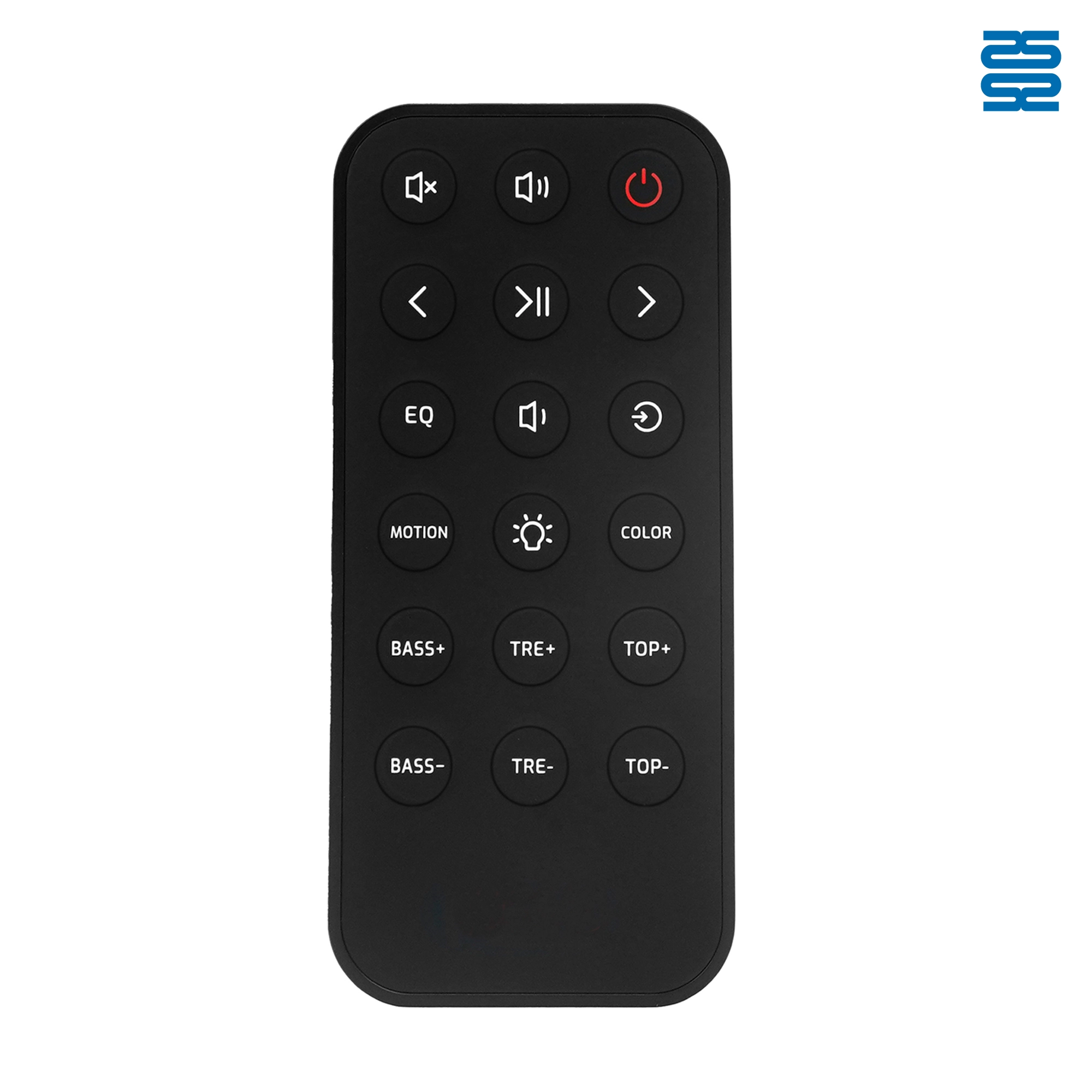
OXS Soundbar Home Theater Remote Control Replacement

P020745 ChiQ Smart TV Voice Remote Control Replacement

C3250 JVC Smart TV Voice Remote Control Replacement

P023040 JVC Smart TV Voice Remote Control Replacement
◼ Let’s Build Together
Get in Touch with SYSTO
If you have any comments or good suggestions, please leave us a message, later our professional staff will contact you as soon as possible.


Contact
Email us
Text or Call us
Address
Room 1606, No. 65, Zhongshan Seven Road, Liwan District, Guangzhou, Guangdong, China.

Facebook
Instagram
YouTube
Tik Tok
VK