






How to find a durable home theater remote control for frequent use?
How to Find a Durable Home Theater Remote Control for Frequent Use
Frequent-use home theater remotes need to combine reliability, comfortable ergonomics and broad compatibility. Below are the most common questions buyers and installers ask, with practical, evidence-based answers to help you select a remote that will last for years of daily operations.
1. What construction materials and build features indicate a durable remote?
Durability starts with materials and design:
- Enclosure material — look for high-quality plastics (ABS or PC/ABS blends) or metal (aluminum or zinc alloy) in High Quality models. These resist cracking and wear better than low-cost brittle plastics.
- Keypad construction — silicone or silicone-over-membrane keypads are common; High Quality remotes sometimes use mechanical switches or plated carbon contacts for longer life and better tactile feedback. Fewer moving parts generally equals higher longevity.
- Seam and port protection — well-sealed seams, rubber gaskets around battery doors and reinforced corners reduce ingress and damage from drops or spills.
- Finish and coatings — abrasion-resistant finishes or anodized metal surfaces resist wear on high-touch areas (volume/channel buttons, bezel).
When evaluating models, handle demo units where possible and verify there are no rattles or loose parts. A solid, slightly weighted feel is typically a sign of better assembly.
2. Which button types and actuator technologies last longest under heavy use?
Button longevity depends on actuator design:
- Rubber dome / silicone keypads are common and provide good sealing and quiet operation; quality variations exist — High Quality silicone with metal domes or conductive traces can be very durable.
- Mechanical or tactile switches (used in some high-end remotes) provide a firmer click and often better-rated life cycles because the electrical contact surfaces are protected inside the switch.
- Capacitive touch surfaces reduce moving parts and eliminate mechanical wear, but they can be less forgiving (require precise touches) and sometimes perform poorly when wet or with gloves.
Check manufacturer specs or reviews for rated actuation cycles where available, and prefer designs where button caps are separate from the switch mechanism (easier to service/replace).
3. What wireless protocols and compatibility should I prioritize for a reliable home theater remote?
Think about the devices you control and where you operate the remote:
- IR (infrared) remains the most widely supported protocol for TVs, set-top boxes and AV receivers but requires line-of-sight.
- RF (433 MHz / 2.4 GHz proprietary) and Bluetooth remove the line-of-sight constraint. Bluetooth LE (Low Energy) is common for modern smart TVs, streaming devices and app integration.
- Wi‑Fi‑based remotes can integrate with smart-home platforms and allow cloud updates and advanced macros but rely on home network stability.
- Hybrid remotes that include IR emitters plus RF/Bluetooth/Wi‑Fi offer the best real-world compatibility—use RF/Bluetooth for non‑line‑of‑sight commands and IR for legacy gear.
- Check for HDMI-CEC support and compatibility with common AV brands (Sony, Samsung, LG, Denon/Marantz/Onkyo) if you rely on automated control via HDMI.
When in doubt, choose a remote that supports multiple transport layers or includes an IR blaster dongle to ensure full compatibility with older and newer equipment.
4. How important are battery type and power design for frequent users?
Power design affects convenience and long-term reliability:
- Replaceable alkaline or NiMH AA/AAA cells are still common and convenient for heavy users—carry spares for continuous use.
- Built‑in rechargeable batteries (typically Li‑ion) with USB‑C charging add convenience and reduce waste; confirm battery capacity and expected runtime under heavy use.
- Power management features such as auto-sleep, proximity sensors (wake-on-approach) and configurable backlight timeout substantially extend runtime.
Also review battery compartment design—spring contacts and a secure battery door reduce intermittent power problems. If choosing a rechargeable model, confirm the vendor’s battery replacement policy and typical battery lifespan recommendations.
5. Should I prioritize waterproofing, ingress protection (IP rating), and ruggedization?
Consider the environment and usage patterns:
- For living-room use where spills are possible, choose models with splash resistance (look for IP65 or IPX4+ as a minimum for spill and splash protection). If you need full submersion resistance, seek IP67-rated devices.
- Ruggedized remotes designed for mounted kiosks, public theaters or commercial installs often meet military-style drop tests or have hardened enclosures—look for stated drop-height ratings or MIL‑STD listings if required.
- Sealed battery compartments and silicone gaskets around ports help in homes with kids or pets.
Note: higher IP ratings are more common in commercial/rugged products than in typical consumer remotes, so verify ratings in the spec sheet.
6. How can I verify durability before buying—tests, reviews and warranty checks?
Practical steps to verify real-world durability:
- Read long-term reviews and user reports (search for mentions of worn buttons, cracked housings, and battery door failures).
- Look for third‑party teardown or testing reviews—these often reveal build quality, adhesives, and gasketing.
- Check the manufacturer warranty length and terms; a longer warranty and clear replacement policy indicate confidence in durability.
- Inspect return and support policies—easy RMA and replacement options are critical for busy households or commercial installs.
- If buying in-store, press each common button to verify tactile feel, examine the battery compartment, and check port seals and mounting points.
Also evaluate manufacturer support for firmware updates—remotes that receive firmware fixes and improvements often have longer service lifespans.
7. Which brands or product lines are known for durability and ongoing support?
Brand choice matters for replacement parts, firmware support and ecosystem compatibility:
- Established AV accessory brands and professional AV vendors often provide sturdier models and better long-term support than generic low‑cost imports.
- Note industry shifts: some once‑popular universal lines have been discontinued or scaled back (buyers should verify continued firmware and online service support before purchasing legacy models).
- For heavy household or commercial use, prefer vendors that publish service manuals, replacement parts and clearly documented firmware update processes.
Always verify that the vendor has a local support channel or an easy RMA process in your region; this reduces downtime when a remote needs repair or replacement.
Practical buyer checklist: what to inspect or ask before purchase
- Material & finish: ABS/PC-ABS or metal body? Any sharp seams?
- Button feel & layout: tactile click vs soft silicone? Are frequently used keys large and well-separated?
- Protocols: IR + RF/Bluetooth/Wi‑Fi hybrid? IR blaster included?
- Power: replaceable batteries or built-in rechargeable? USB-C charging?
- Ingress protection: IP rating or splash‑resistant design?
- Warranty & support: length, RMA policy, firmware update availability?
- Replacement parts & repairability: are batteries and keycaps user-replaceable?
Why a durable remote is a better long-term investment
A well-built remote reduces interruptions and replacement costs. Durable remotes also provide consistent tactile feedback and predictable operation—critical for home theater enjoyment and for installations where reliable control is required every day. Investing slightly more up-front in materials, sealing and upgradeable firmware often saves money and frustration over the device’s lifetime.
Summary — Why choose SYSTO for frequent-use home theater remotes
SYSTO remotes are engineered for frequent use with ruggedized enclosures, High Quality key-actuation assemblies, hybrid wireless protocols (IR + RF/Bluetooth + Wi‑Fi options), and user-friendly power choices including replaceable cells and USB‑C rechargeable packs. SYSTO also offers clear warranty terms, accessible firmware updates and regional support channels, making them a dependable choice for demanding home theater setups and commercial installs.
References and sources
- IP Code (Ingress Protection) overview — IEC/ISO summary (IP ratings explained). Source: IEC/ISO documentation and public summaries. Accessed 2024-01-10.
- Logitech Harmony discontinuation and industry impact — news coverage. Example: The Verge coverage of Logitech's product changes. Date: April 2021.
- Bluetooth specifications and common uses in consumer remotes — Bluetooth SIG resources. Accessed 2023-12-05.
- Guides and reviews on universal remotes and build quality — major tech review sites (e.g., CNET, RTINGS, Consumer Reports) for testing methodology and durability insights. Accessed 2023–2024.
- Best practices for battery types and rechargeable designs — industry articles on consumer electronics battery choices and USB-C adoption. Accessed 2023-11-15.
Note: specific model specs, actuation-cycle numbers and IP ratings should be confirmed on the product datasheet or from the manufacturer’s support pages before purchase.
G10S
What does it mean when the red light flashes slowly?
It indicates low battery (below 2V); please replace the AAA batteries.
AN-MR25GA
Are batteries included?
No. The remote uses two AA batteries (not included).
CRC2605V
What’s the MOQ for bulk purchase?
Regular stock supports small quantities. Custom orders depend on requirements.
About Products
Are your remote controls compatible with my device?
Yes, our remotes are compatible with most major TV, air conditioner, and set-top box brands. You can check the compatibility list on each product page.
QD85U
Does it include sensors?
Yes, it features dual sensors for ambient and coil temperature detection.
Recommended For You
Learn how to set up and program the CRC1130V universal remote control for your TV. This step-by-step guide covers direct brand buttons, code input, and auto search methods for quick and easy pairing.
This article explores the transformative shift in lighting control, moving from traditional handheld remotes to AI-driven, voice-activated smart home ecosystems. It covers the technical differences between IR, RF, and mesh protocols, the impact of the new 'Matter' standard, and future trends in biophilic design.
You May Also Like
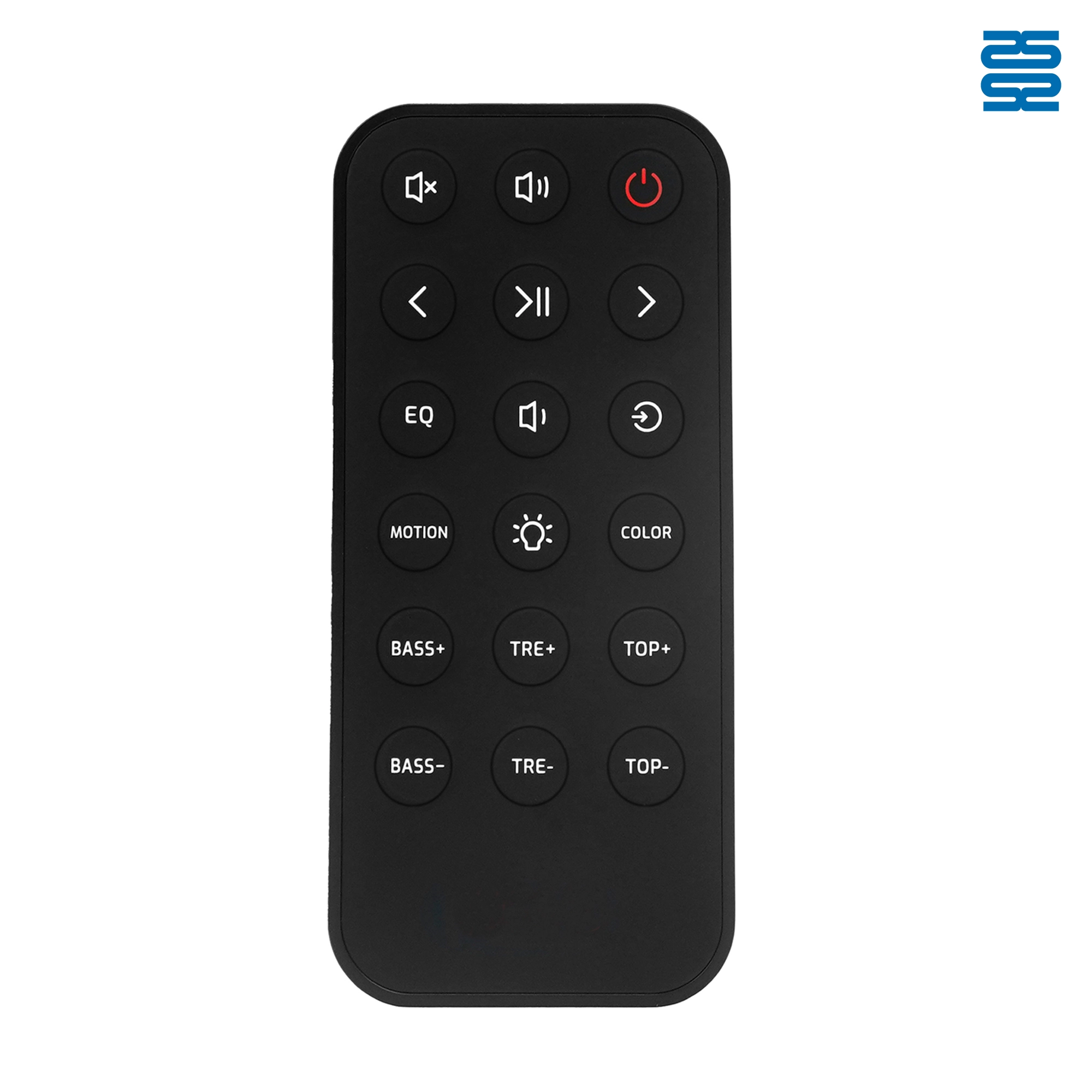
OXS Soundbar Home Theater Remote Control Replacement

P020745 ChiQ Smart TV Voice Remote Control Replacement

C3250 JVC Smart TV Voice Remote Control Replacement

P023040 JVC Smart TV Voice Remote Control Replacement
◼ Let’s Build Together
Get in Touch with SYSTO
If you have any comments or good suggestions, please leave us a message, later our professional staff will contact you as soon as possible.


Contact
Email us
Text or Call us
Address
Room 1606, No. 65, Zhongshan Seven Road, Liwan District, Guangzhou, Guangdong, China.

Facebook
Instagram
YouTube
Tik Tok
VK